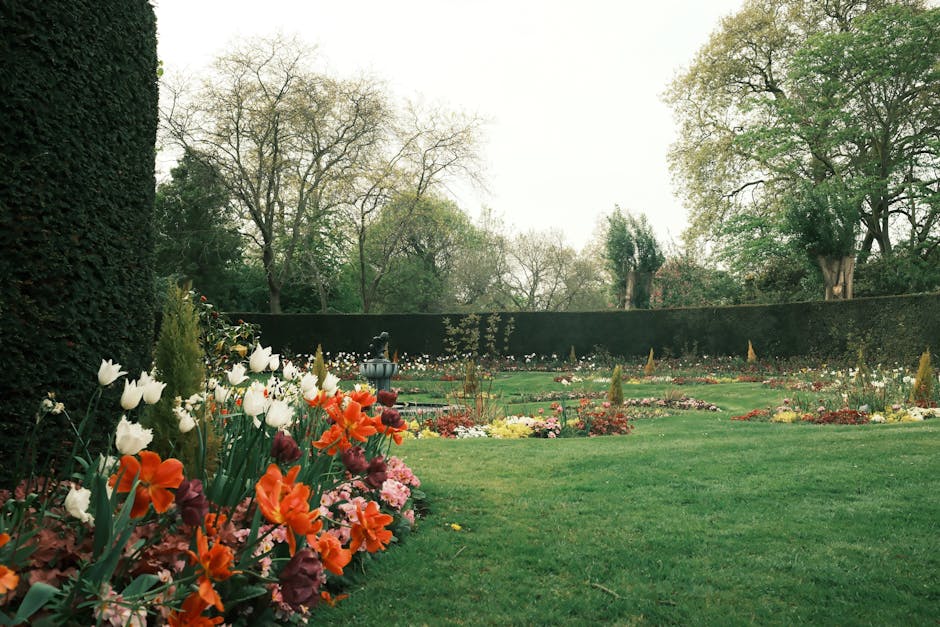
Clissold Park gardeners planting guide for N16
If you are planning planting work near Clissold Park or anywhere in N16, the details matter more than most people expect. Soil, shade, street exposure, container size, timing, and the way London gardens dry out in a heat spell can all change the result. A thoughtful Clissold Park gardeners planting guide for N16 helps you choose plants that actually settle, not just survive the first week and then sulk by the fence.
This guide is written for real gardens, not showroom borders. It covers how local gardeners plan beds, what to plant in small front gardens, how to improve tired soil, and how to avoid the usual mistakes that cost time and money. If you are comparing services, doing it yourself, or just trying to understand what a good planting plan should look like, you will find practical answers here.
And yes, in N16, a sunny-looking spot can turn into a damp, shady little corner by mid-afternoon. London gardens have a way of surprising you like that.
Table of Contents
- Why Clissold Park gardeners planting guide for N16 Matters
- How Clissold Park gardeners planting guide for N16 Works
- Key Benefits and Practical Advantages
- Who This Is For and When It Makes Sense
- Step-by-Step Guidance
- Expert Tips for Better Results
- Common Mistakes to Avoid
- Tools, Resources and Recommendations
- Law, Compliance, Standards, or Best Practice
- Options, Methods, or Comparison Table
- Case Study or Real-World Example
- Practical Checklist
- Conclusion
- Frequently Asked Questions
Why Clissold Park gardeners planting guide for N16 Matters
Planting in N16 is not just about choosing "nice plants". It is about matching plant choice to the actual conditions in and around the garden. Close to Clissold Park, you often see a mix of mature trees, terraced housing, compact rear gardens, shaded boundaries, and paved or partially paved spaces. That creates a very specific planting environment.
Why does that matter? Because the wrong plant in the wrong place leads to weak growth, water stress, poor flowering, and a bed that looks tired after one season. The right plant, placed well, becomes easier to maintain and more resilient. That is the whole game, really.
For local homeowners, landlords, and property managers, a smart planting plan also helps with kerb appeal and day-to-day enjoyment. A front garden that feels alive in April and still tidy in October can change how a home feels every time you walk up to it. For back gardens, the right mix of structure, seasonal colour, and low-fuss evergreens keeps things looking intentional even when nothing is in full bloom.
If you are also thinking about broader garden work, it can help to look at related services such as garden clearance before planting, or hedge trimming if overgrown boundaries are creating extra shade. A clean setup always gives planting a better chance.
Expert summary: Good planting in N16 is less about chasing fashionable plants and more about getting the fundamentals right: light, soil, root space, watering, and seasonal timing. Get those right and the rest becomes much easier.
How Clissold Park gardeners planting guide for N16 Works
A proper planting guide starts with observation. That sounds obvious, but you would be surprised how often people jump straight to plant shopping. A good gardener looks at the site first: where the sun falls, where wind comes through, where water pools after rain, and which corners are dry as toast by July.
In N16, the process usually follows a pattern:
- Assess the space - measure the bed, note shade patterns, and check access for digging, compost, and watering.
- Read the soil - clay, loam, and builder's rubble each behave differently. Some gardens near older properties can be compacted or depleted.
- Match plants to conditions - choose species for the light level, moisture level, and available root depth.
- Plan structure first - hedging, shrubs, climbers, and small trees create the framework. Perennials and seasonal planting come after.
- Prepare the ground properly - loosen compaction, add organic matter, and sort irrigation or drainage issues before planting.
- Plant with spacing in mind - small plants can look sparse at first, but overpacking leads to crowding later.
- Water and monitor - the first 12 weeks are critical. Miss this stage and even healthy plants can fail.
The best local gardeners do not treat planting as a one-off job. They treat it as a sequence. That matters because most planting failures are not caused by the plant itself. They are caused by rushed preparation, poor timing, or a mismatch between the plant and the garden.
For jobs that need heavy lifting, composting, or soil renewal, a service such as garden maintenance can be useful after the initial planting phase. It keeps the bed moving in the right direction instead of slipping back into weeds and compaction.
Key Benefits and Practical Advantages
A well-planned planting scheme gives you more than visual appeal. It brings structure, resilience, and less ongoing frustration. Truth be told, that is often what people want most. Not a "designed" garden. Just one that works.
- Better plant survival - the right plant in the right position gets off to a stronger start.
- Lower maintenance - well-chosen plants need less rescue work, less staking, and fewer replacements.
- Seasonal interest - a mix of evergreen structure, spring bulbs, summer perennials, and autumn texture keeps the garden alive year-round.
- Improved soil health - planting with organic matter and mulching in mind supports worms, moisture retention, and root growth.
- Better use of small spaces - N16 gardens are often compact, so layered planting can make them feel fuller without clutter.
- Higher kerb appeal - a front garden or visible boundary planting can make a home feel cared for at a glance.
There is also a subtle psychological benefit. A garden that has been planted thoughtfully tends to feel calmer. You notice the texture of leaves in the morning, the smell after rain, the little shifts in colour through the season. It sounds soft, maybe, but it is real.
If your planting plan is part of a larger refresh, it may be worth pairing it with lawn care or mulching so the whole space comes together rather than one section looking polished while the rest feels unfinished.
Who This Is For and When It Makes Sense
This guide is useful for a wide range of people, but it is especially relevant if you have a garden around Clissold Park or elsewhere in N16 and want planting that feels local, practical, and sustainable over time.
- Homeowners who want a garden that looks good without endless upkeep.
- Landlords and letting agents who need tidy, resilient planting for front and rear spaces.
- Busy families who want soft planting and colour without needing a full-time gardening hobby.
- New movers who have inherited a garden and are not sure what is worth saving.
- Garden enthusiasts who want better structure, plant health, and seasonal rhythm.
It makes sense to act when a garden is newly cleared, when shrubs are failing, after building work, or when a space has become too shaded and patchy. It also makes sense if you keep buying plants that never seem to thrive. That usually means the site, not the shop, is the issue.
A small example: a rear garden with a mature fence line may look perfect for roses in spring, then turn into a thirsty, shaded trap by midsummer. A better choice might be shade-tolerant shrubs, hellebores, ferns, or structural evergreens with lower water demands. Not glamorous on the label, perhaps, but much better in real life.
Step-by-Step Guidance
Here is the practical version. Nothing fancy. Just the sequence that gives plants the best chance.
1. Start with the site conditions
Walk the garden at different times of day. Early morning, midday, late afternoon. Notice where the light lands and how long it stays there. Check for wind tunnels, hard shade, and damp pockets. If you can, take a few photos after rain and after a dry spell. Those two moments tell you a lot.
2. Test and improve the soil
Most N16 gardens benefit from added organic matter, especially where the soil has been compacted or depleted. If the soil feels sticky and heavy, it may need structure improved with compost and careful digging. If it is very sandy or thin, it may need more moisture-retaining material. The goal is not perfection. It is improvement.
3. Decide on the planting style
Do you want a low-maintenance border, a wildlife-friendly scheme, a pollinator bed, a formal front garden, or a lush cottage-style look? Each choice affects plant selection, spacing, and maintenance. Style is not just aesthetic. It changes the work involved.
4. Choose plants for function first
Before colour, think function. Do you need screening, year-round cover, scent, ground cover, or height? Once that is clear, the plant palette becomes easier. In small gardens, a few strong performers usually beat a dozen fussy plants. Less clutter. Better rhythm.
5. Plant in the right season
Autumn and spring are often the most forgiving planting windows in London, because soil moisture and temperatures are generally kinder to roots. Summer planting can work, but it needs extra watering and attention. Winter planting may be possible too, depending on conditions and soil workability, though frozen or waterlogged ground should be avoided.
6. Space plants properly
This is where people get excited and cram things in. Try not to. Small plants look lonely for a while, then suddenly they do a growth spurt and everyone starts fighting for light. Give them the room they will need at maturity, not just the room they need today.
7. Water deeply, not casually
Frequent light watering often encourages shallow roots. Better to water thoroughly so moisture reaches the root ball and surrounding soil. For the first few weeks after planting, check soil moisture rather than guessing. A finger test is still one of the simplest tools in gardening. Old-fashioned, yes. Effective, also yes.
8. Mulch and monitor
A mulch layer helps conserve moisture and suppress weeds. After planting, keep an eye on leaf colour, drooping, and signs of stress. A little yellowing is not always a crisis. But persistent droop, scorched edges, or stalled growth needs attention.
Expert Tips for Better Results
Here is where local experience really pays off. These are the details that separate an okay planting job from one that settles beautifully.
- Think in layers - use taller structure at the back, medium perennials in the middle, and ground cover at the front to reduce bare soil.
- Use evergreens sparingly but strategically - too many can make a garden feel heavy, but one or two well-placed evergreens keep the space looking presentable in winter.
- Choose plants that forgive London conditions - heat spikes, dry spells, reflected light from paving, and occasional waterlogging all happen here.
- Watch the microclimate - a south-facing wall can become much hotter than the rest of the garden, while a narrow side return can stay chilly and damp.
- Repeat key plants - repetition creates calm. A single strong plant repeated three or five times often looks more considered than a scattered mix.
- Keep one eye on maintenance - beautiful planting that needs weekly rescue is rarely a good long-term choice for busy households.
A useful habit is to plan for the garden you will have in two years, not the one you see on planting day. That is the difference between a design that grows in and one that collapses into a mess of good intentions. Harsh? Maybe. True? Definitely.
If your garden needs a little more than planting alone, you might also look at tree pruning where shade is becoming too dense, or weed control if persistent weeds are competing with young plants for space and nutrients.
Common Mistakes to Avoid
Most planting problems are surprisingly predictable. The good news is they are also avoidable.
- Choosing plants for looks only - a plant can be beautiful and still be wrong for the site.
- Ignoring shade changes - summer and winter light patterns are not the same in London gardens.
- Planting too close together - this is a classic. It looks full for a month, then turns crowded and competitive.
- Skipping soil prep - planting directly into tired or compacted ground often leads to slow establishment.
- Underwatering after planting - the first season matters. A lot.
- Overfeeding young plants - too much fertiliser can push soft growth before roots are ready.
- Forgetting mature size - the tiny shrub in the nursery pot may become a very determined presence later.
One of the sneakiest mistakes is mixing too many styles in one space. A cottage border, a formal clipped scheme, and a tropical-feel corner can all be lovely separately. Together? It can look like three gardens got into a disagreement.
If you are unsure about the baseline condition of the garden before planting, a broader service such as grounds maintenance can help keep the wider site stable while the planting settles in.
Tools, Resources and Recommendations
You do not need a shed full of specialist kit to plant well. A few reliable tools, plus the right materials, make the job far easier.
| Tool or Resource | What It Helps With | Why It Matters |
|---|---|---|
| Spade or border fork | Digging, loosening, lifting compacted soil | Reduces strain and improves root penetration |
| Compost or well-rotted organic matter | Soil improvement | Supports structure, drainage, and moisture retention |
| Mulch | Weed suppression and moisture control | Keeps the bed tidy and steadier between waterings |
| Watering can or hose with gentle flow | Establishment watering | Helps roots settle without washing soil away |
| Gloves and kneeler | Comfort and protection | Small comfort gains matter when the job takes longer than expected |
| Plant labels or a simple plan sketch | Spacing and layout | Stops guesswork and helps with future maintenance |
For plant selection, a local nursery or reputable garden centre is often better than buying on impulse from whatever happens to be left outside a shop. You want plants with healthy roots, not just nice leaves. Gentle squeeze test, inspect for pests, and check that the pot is not root-bound beyond reason.
If you are bringing in professional help, ask whether they include soil preparation, plant sourcing, aftercare, and replacement advice. Those details matter. A lot. You do not want a neat planting day followed by radio silence.
Law, Compliance, Standards, or Best Practice
Planting itself is usually straightforward, but there are still practical standards and local considerations to keep in mind. In London, gardens can involve shared boundaries, overhanging branches, drainage issues, and access constraints. If a property is leasehold, rented, or part of a managed block, check whether any planting changes need permission from the owner, managing agent, or neighbours where boundary work is involved.
It is also sensible to follow good horticultural practice around root spacing, safe use of tools, and appropriate disposal of green waste. If you are removing mature shrubs, dealing with tree roots, or planting near walls and services, a cautious approach is best. If in doubt, ask before digging. That one habit saves a lot of trouble.
For trees, hedges, or larger structural planting, consider whether local conditions and boundaries create future maintenance responsibilities. A good gardener will talk through likely growth, pruning needs, and any access issues. That is part of professional best practice, not an optional extra.
Where waste is generated from clearances or planting prep, it should be handled responsibly. That includes keeping work areas tidy and disposing of soil, compost bags, and green waste properly. Nothing glamorous there, but it matters.
Options, Methods, or Comparison Table
Different gardens need different planting methods. A compact N16 back garden is not the same as a wide frontage or a shady side return. Here is a simple comparison to help you think clearly.
| Planting Method | Best For | Strengths | Trade-Offs |
|---|---|---|---|
| Low-maintenance shrub border | Busy households, front gardens | Structure, year-round presence, less frequent replanting | Can look static if not balanced with seasonal plants |
| Perennial planting | Colour and wildlife value | Seasonal movement, pollinator-friendly, lively feel | May need cutting back and division over time |
| Container planting | Patios, rentals, small spaces | Flexible, instant impact, easy to change | Needs more watering and seasonal refresh |
| Mixed structure planting | Most family gardens | Balanced look, strong resilience, better year-round interest | Requires more planning at the start |
| Wildlife-focused planting | Pollinator support, naturalistic style | Ecologically useful and often visually relaxed | Can look untidy if not maintained with some discipline |
For many Clissold Park and N16 gardens, a mixed structure approach works best. It gives you the reliability of shrubs and evergreens, the softness of perennials, and just enough seasonal change to keep things interesting. Not too rigid. Not too wild. Just right, ideally.
Case Study or Real-World Example
Here is a realistic example from a typical London terrace garden. The space was narrow, partially shaded by a neighbouring tree, and the back boundary stayed damp after heavy rain. The previous planting had struggled: a few sun-loving perennials, some thin-looking box, and a couple of tired shrubs that never fully recovered after a hot summer.
The planting plan changed the whole feel of the space:
- Shade-tolerant shrubs were used to create a stronger backbone.
- Soft perennials were placed in repeated groups rather than scattered individually.
- Ground cover reduced bare soil and gave the border a more settled look.
- Organic matter was added before planting to improve soil structure.
- A simple mulch was applied to slow moisture loss and suppress weeds.
The result was not instant perfection. Gardens rarely are. But after a few weeks, the planting began to knit together, and by the following season the border looked fuller, calmer, and much easier to maintain. The owner no longer had to keep rescuing the same unhappy plants every few months. That alone felt like a small miracle.
If you want a similar transformation, it often starts with clearing the old bed properly. A related service such as soil conditioning can also help where the ground needs more than a basic tidy-up before new planting goes in.
Practical Checklist
Use this before planting day, or before agreeing a planting plan with a gardener.
- Check the garden in morning and afternoon light.
- Note which areas are dry, damp, sunny, or shaded.
- Test whether the soil is compacted, thin, or heavy.
- Decide whether you want low-maintenance, seasonal colour, screening, or a mixed scheme.
- Choose plants for the site, not just for the photo on the label.
- Confirm mature plant size before buying.
- Prepare the soil with compost or organic matter if needed.
- Plan spacing to avoid crowding later.
- Arrange watering for the first few weeks after planting.
- Apply mulch once planting is complete.
- Keep a simple maintenance plan for pruning, deadheading, and seasonal checks.
- Review whether boundary work, shared access, or managed property rules affect the job.
Quick takeaway: the best planting plans for N16 are the ones that suit the real site, not the imagined one. Start with conditions, build structure, then add beauty. In that order.
Conclusion
A strong Clissold Park gardeners planting guide for N16 is really a guide to better decisions. It helps you choose plants that suit London light, local soil, and the way people actually use their gardens. It saves time, reduces failure, and gives you a space that feels settled rather than constantly in need of rescue.
Whether you are planting a small front border, refreshing a tired back garden, or planning a more complete redesign, the principle is the same: read the site carefully, prepare it properly, and choose plants with a real chance of thriving. Simple on paper. Not always simple in the ground. But very doable.
If you want support with clearing, preparing, or maintaining the space before planting, exploring the right local garden services can make the whole process far smoother. And honestly, that first good year of growth is worth the effort.
Get a free quote today and see how much you can save.
With the right approach, even a modest N16 garden can bloom into something quietly brilliant.
Frequently Asked Questions
What is the best time to plant in Clissold Park gardens or nearby N16 properties?
In many London gardens, autumn and spring are the most forgiving times to plant because soil conditions are usually kinder and plants can establish without extreme heat. Summer planting is possible, but it needs much closer watering attention. If the soil is very wet or frozen, wait until it is workable.
What kind of plants work best in shaded N16 gardens?
Shade-tolerant shrubs, ferns, hellebores, some hardy ground covers, and selected perennials usually perform better than sun-loving border plants. The key is to match the plant to how much actual light the space gets, not how bright it looks at 10 a.m. on one clear day.
How do I know whether my soil needs improvement before planting?
If the soil is compacted, sticky, very dry, thin, or full of rubble, it probably needs improvement. You can often tell a lot by how hard it is to dig and how water behaves after rain. A good gardener will usually assess the soil before recommending plants.
Can I plant in a small front garden without making it look overcrowded?
Yes, absolutely. The trick is to use repetition, controlled height, and plants that suit the space at maturity. In smaller gardens, too many different species can make the area feel busy. Fewer, well-chosen plants usually look smarter.
Do newly planted gardens in N16 need a lot of watering?
They usually need regular watering during establishment, especially in dry spells. The first few weeks are the most important. After that, deep watering at sensible intervals is better than light sprinkling every day. Shallow watering does not help roots settle properly.
What are the most common planting mistakes people make?
The biggest mistakes are poor soil preparation, planting too close together, choosing plants for looks only, and forgetting about the garden's light and moisture conditions. Another common one is assuming a plant that thrives in a nursery will automatically thrive in a tight urban garden. It often won't.
Should I choose evergreen or seasonal planting?
For most gardens, a mix works best. Evergreens provide structure through winter and keep the space from looking bare, while seasonal plants add movement, colour, and freshness. A good balance makes the garden feel alive all year, not just in one month.
How much maintenance does a planted garden usually need?
That depends on the style. A low-maintenance border may only need seasonal cutting back, pruning, and occasional feeding. A more detailed or flowering-rich scheme will need more deadheading, staking, and attention. If time is tight, keep the planting plan simple and resilient.
Do I need permission for planting work in a rented or leasehold property?
You may need permission if the work affects boundaries, trees, shared areas, or the wider appearance of a managed property. The exact position depends on the property setup, so it is wise to check with the landlord, managing agent, or lease paperwork before making significant changes.
What should I ask a gardener before they start planting?
Ask what they think the site needs, how they will prepare the soil, how they choose plants for shade or sun, what aftercare they recommend, and whether they will advise on watering and replacement if a plant fails early on. Those answers tell you a lot about their approach.
Is planting in containers a good option for N16 gardens?
Yes, especially where space is limited or you want flexibility. Containers are useful for patios, entrances, and awkward corners. Just remember they dry out more quickly than borders, so they need closer watering and occasional refreshment.
What is the simplest way to make a planting plan look more professional?
Repeat a few plant types, create obvious layers, and keep a clear structure. Professionals usually avoid visual clutter. They build rhythm. That single idea can make a garden feel far more finished, even without a huge budget.